
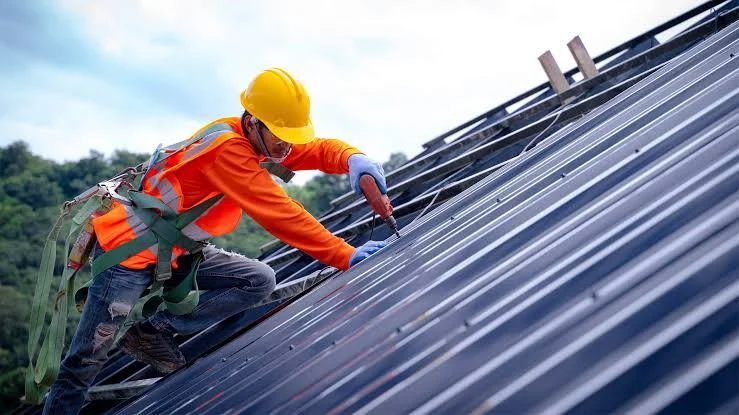
Commercial roof maintenance protects Auckland properties by catching corrosion, failed flashings, cracked sealant and blocked drainage before they turn into leaks, structural damage or emergency callouts. Auckland’s combination of salt-laden coastal air, high UV exposure and over 1,200mm of annual rainfall puts constant stress on commercial roofing systems, and defects often develop well before they’re visible from the ground.
At HDK Long Run Roofing, we inspect commercial roofs across Auckland with over 10 years of hands-on experience and a Licensed Building Practitioner team. A structured maintenance programme gives property owners, body corporates and facility managers a clear picture of what needs attention now, what can wait, and when a roof is approaching end of life.
This guide explains what commercial roof maintenance actually involves, how often Auckland buildings need it, and what to look for between scheduled inspections.
This work includes scheduled inspections, appropriate cleaning, drainage checks, defect reporting and timely repairs. It covers the roof sheets as well as the components that help the roof manage water, movement and changing weather.
A complete inspection normally considers:
The exact scope should reflect the roof’s age, size, material and exposure. A coastal warehouse will not have the same maintenance needs as an inland office building. A school roof with several plant units will also require a different approach from a simple retail property.
Good maintenance produces evidence as well as action. Owners should receive photographs, defect locations, repair priorities and recommended time frames. This information supports practical decisions instead of leaving property managers with a vague statement that the roof “looks fine”.
Planned maintenance gives property owners more control over timing, cost and disruption. It can identify deterioration while repairs remain focused and manageable.
Without a maintenance record, roof spending often becomes reactive. A leak appears, an urgent call is made and the immediate symptom receives attention. That may stop the water for a while, but it does not always identify why the problem developed.
A planned programme creates a different outcome. The roof is inspected before high-risk seasons. Small issues are photographed and monitored. Repairs are prioritised according to their effect on the building.
The practical benefits include:
For strata and public properties, these records are particularly useful. Committees, asset managers and procurement teams often need evidence before approving work. A structured condition report gives decision-makers something clear to review.
Most commercial roofs should have a professional roof inspection once or twice a year, with additional checks after severe weather or significant rooftop work. The final schedule should reflect the building’s exposure, condition and use.
Building or exposure | Suggested inspection interval | Main areas to assess |
Standard commercial property | Every 6 to 12 months | Sheets, flashings, fixings and drainage |
Coastal property | Around every 6 months | Corrosion, coatings and exposed edges |
Strata development | Every 6 months | Shared assets, reporting and repair priorities |
School or public building | Every 6 to 12 months | Safety, drainage and work scheduling |
Roof with frequent contractor access | Every 3 to 6 months | Foot traffic, penetrations and loose materials |
Building affected by severe weather | As soon as safely practical | Impact damage, movement and water entry |
These intervals are general planning guides rather than fixed rules. A roof manufacturer may specify particular inspection or cleaning requirements. Warranty conditions may also require documented maintenance at defined intervals.
Extra inspections are sensible after:
The important point is consistency. A six-monthly inspection programme has little value when reports are misplaced and recommended repairs receive no follow-up.
A roof inspection should follow the complete path that water may take across and away from the building. It should not focus only on the location of an internal stain.
Inspectors should check for loose sheets, punctures, dents, damaged ribs, open laps and surface deterioration. They should also examine cut edges and areas where coatings have been scratched or worn.
On metal roofing systems, small coating failures can leave the underlying material exposed. The inspector should identify whether the affected area needs cleaning, treatment, recoating or replacement.
Sheet movement also deserves attention. Metal expands and contracts as temperatures change. This movement can affect fixings, laps, sealants and flashings over time.
The presence of movement does not automatically mean the roof has failed. It does mean the surrounding weatherproofing details should be checked carefully.
Flashings should direct water away from roof junctions, penetrations and changes in level. Damaged or poorly fitted flashings can allow moisture into areas that are difficult to trace from inside the building.
Key inspection points include:
Sealant alone should not be treated as a universal repair. A flashing that has moved, cracked or been incorrectly installed may need adjustment or replacement before new sealant can perform properly.
Spouting, downpipes, sumps and outlets should be checked for debris, corrosion, deformation and signs of overflow. The inspection should follow the entire drainage route rather than looking at one isolated section.
Overflow marks can show where rainwater has backed up during heavy weather. Ponding may indicate restricted drainage, local deformation or an issue with the roof’s falls.
Where the existing rainwater system is damaged or no longer performs reliably, professional spouting installation may improve how water moves away from the roof.
New Zealand Building Code Clause E2 requires roofs, wall claddings and external openings to prevent external moisture from causing undue dampness or damage. The appropriate compliance pathway depends on the building and the work being completed.
Water marks inside a building can help with diagnosis, but the visible stain may not sit directly below the defect. Moisture can travel along framing, insulation, cables or the underside of a roof sheet before appearing indoors.
Internal checks should note:
Photos should record both the internal sign and the suspected external source. This creates a more useful history when the area is checked again after rain.
The most common problems affecting commercial roofing systems include corrosion, failed fixings, deteriorated sealant, damaged flashings, restricted drainage and accidental damage caused by rooftop work.
Roof problem | Common signs | Suitable next step |
Loose fixings | Movement, raised washers or moisture marks | Replace compatible fixings and inspect nearby sheets |
Damaged flashing | Gaps, distortion or staining | Adjust or replace the affected flashing |
Failed sealant | Splitting, shrinking or poor adhesion | Remove failed material and reseal correctly |
Surface corrosion | Discolouration, coating loss or rust | Identify the cause and treat or replace the area |
Damaged sheet | Dents, punctures or open seams | Repair the local area or replace the sheet |
Restricted drainage | Overflow marks or standing water | Clear and assess the full rainwater path |
Condensation | Moisture without recent rain | Review ventilation, insulation and vapour control |
One symptom can have several possible causes. For example, a ceiling stain near a skylight may come from the skylight flashing, a higher roof lap or wind-driven rain entering elsewhere.
That is why effective commercial roof repair begins with diagnosis. Applying sealant to the first visible gap may hide the symptom without correcting the water path.
Metal roofing systems are maintained through regular cleaning, inspection and compatible repair work. Particular attention should be given to coatings, fasteners, penetrations, sheet edges and locations exposed to coastal or industrial conditions.
The inspection should consider:
Compatible materials matter. Different metals can react when moisture is present, while unsuitable fixings can create corrosion or movement problems.
Cleaning methods should also suit the roofing material. Abrasive equipment and unsuitable chemicals may damage protective finishes. The roofing manufacturer’s maintenance guidance should inform the method used.
Where the sheets remain structurally sound, a professional metal roof coating may help renew surface protection. However, coating should follow a proper assessment. It should not be used to conceal sheets that have widespread corrosion, poor fixing capacity or serious weatherproofing defects.
Commercial roof repair is suitable when the defect is localised and the surrounding roof remains serviceable. Repairs may include replacing damaged sheets, renewing flashings, changing failed fixings or correcting a specific drainage fault.
A focused repair can offer good value when:
Repeated repairs need a different discussion. When failures appear across several roof areas, another patch may simply move the problem rather than resolve it.
Property managers should ask the roofing contractor to explain:
Clear answers make it easier to compare repair proposals and explain the decision to owners, tenants or committee members.
Re-roofing should be considered when corrosion, repeated leaks or widespread material failure make ongoing repairs less reliable. It may also be appropriate when an ageing roof no longer supports efficient maintenance.
Regular roof maintenance creates the evidence needed for this decision. Inspection reports can show whether defects remain localised or are becoming more frequent across the roof.
A local repair usually makes sense when the surrounding area is sound. However, professional re-roofing may provide better long-term value when:
Re-roofing should not be presented as the automatic answer to every leak. A qualified team should assess the roof, explain the available options and outline the practical effect of each choice.
Roof waterproofing supports maintenance by improving vulnerable junctions and weather-exposed details after the underlying defect has been identified.
Where moisture enters around penetrations, flashings or joints, targeted waterproofing may help restore weather resistance. The success of the work depends on correct preparation, suitable materials and an accurate diagnosis.
Waterproofing may be appropriate around:
It should not be treated as a substitute for damaged-sheet replacement or drainage correction. If a metal sheet has lost structural integrity, covering the area may delay a necessary repair without providing a dependable result.
Auckland roofs may face high ultraviolet exposure, heavy rain, strong winds and coastal salt. The effect varies significantly by location, building height and surrounding environment.
Coastal properties often require closer monitoring for corrosion. Buildings near trees may collect more leaf matter and organic debris. Industrial sites may experience airborne contaminants that affect roof coatings and drainage components.
The inspection schedule should therefore consider:
A generic yearly checklist may miss the risks that matter most at a particular site. The maintenance plan should reflect the actual property.
Roof maintenance should be planned so work-at-height risks are identified and managed before access begins. Safe access may require edge protection, scaffolding, elevating work platforms or other suitable controls.
Roof risks can include:
WorkSafe New Zealand advises planning roof work and managing fall hazards through suitable controls. The safest approach will depend on the building, roof condition and task.
Building owners should expect contractors to discuss access and safety before work begins. The quotation should also make clear whether scaffolding, lifting equipment or temporary exclusion zones are required.
A practical roof plan starts with a baseline inspection and assigns clear actions to each defect.
Note the roofing material, age, profile, coating, roof area, drainage layout and access points. Include available warranties and previous repair records.
Consider coastal air, wind, trees, industrial activity, roof traffic and rooftop equipment. These factors help determine how often the roof should be checked.
Choose an interval based on condition and risk. Add event-based inspections after major storms or substantial rooftop work.
Use a simple action system:
Urgent: Active water entry or unsecured material.
Near term: Deterioration requiring attention during the next work period.
Monitor: Stable defects that should be photographed and reviewed.
Future renewal: Ageing sections that belong in long-term planning.
Ask for a clear scope that identifies the location, materials, access requirements and expected result.
Store reports, photographs, invoices, warranties and repair notes together. This creates a useful timeline of the roof’s condition.
Adjust inspection intervals when the roof condition, property use or exposure changes.
This process is particularly useful for large commercial roofing systems, where several buildings or roof levels may need separate priorities.
A useful report should explain what was inspected, what was found and what action should happen next.
It should include:
The language should be specific. “Sealant separation beside the eastern vent penetration” gives the reader a clear location and issue. “Roof needs work” does not.
For strata developments, the report may also help separate common-property defects from issues connected with private additions. Public-property managers can use the same report to schedule work around operating hours or procurement requirements.
The cost depends on roof size, height, access, material, condition and the amount of work required. A small, accessible roof with limited defects will usually need less time and equipment than a multi-level industrial building.
When comparing proposals, check whether each price includes:
The cheapest inspection may leave gaps when important roof areas are excluded. A clearly defined scope helps owners compare like with like and understand what they will receive.
The financial value of a planned maintenance programme is not limited to the price of an inspection. Its purpose is to support earlier action, reduce unplanned disruption and make future spending easier to forecast.
Protect your property with planned commercial roof maintenance from HDK Long Run Roofing. The team works across commercial roofing systems and metal roofing systems, providing practical inspections, clear maintenance advice and dependable commercial roof repair when action is required.
With a sensible plan, your building can face Auckland conditions with clearer priorities, fewer interruptions and a roof prepared for the seasons ahead.
EXCELLENTTrustindex verifies that the original source of the review is Google. Absolute killer team! Contacted Jesse for a quote, he had organised a site assessment, drew up a quote and executed the job very quickly. I wouldn’t look anywhere else. These guys will help you all the way through! CheersPosted on GoogleTrustindex verifies that the original source of the review is Google. Garage side roof replacement. We reached out to several companies to inspect our roof and obtain quotes. It was challenging to get in touch with people since it was a mid-sized job and roofers are super busy. Jesse stood out as one of the best due to his prompt communication and very easy to deal with. Jesse and his team did an excellent job, delivering top-quality craftsmanship.Posted on GoogleTrustindex verifies that the original source of the review is Google. I had an outstanding experience with HDK Long Run Roofing. Their punctuality, clear communication, affordability, professionalism, speed, and friendliness were truly commendable. The end results exceeded our expectations, showcasing their dedication to quality work. I highly recommend their services.Posted on GoogleTrustindex verifies that the original source of the review is Google. Jesse and his team were great to deal with. They turned up on time, did the job expertly and efficiently, and invoiced as per the quote. Couldn’t have asked for anything more. Cheers HDK.Posted on GoogleTrustindex verifies that the original source of the review is Google. HDK replaced our entire roof and they did an absolute top job. Worked hard and committed to get it done in a timely manner and great guys to work with. Thanks all!Posted on GoogleTrustindex verifies that the original source of the review is Google. Full re-roof (iron) on my owner occupied 1920s home. Fantastic service from first contact right through to checking in following completion. The cheerful nature, quality of workmanship and professionalism made having Jesse’s team and their contracted scaffolders a pleasure to have on site. As a female home owner I’m always nervous about dealing with trades unless referred from friends and family, I could not recommend HDK highly enough and wish I’d engaged with them sooner. Love the sound of rain on the roof now I don’t have to worry about the leaks :)Posted on GoogleTrustindex verifies that the original source of the review is Google. What a cheerful respectful professional team. I have absolutely no hesitation in recommending this crew to others. Thanks Jesse and Trinity you made a potentially stressful job a breeze.Posted on GoogleTrustindex verifies that the original source of the review is Google. Replaced the roof with speed, efficiency, neatness and cheerful good humour. Jesse and his team are a pleasure to deal withPosted on GoogleTrustindex verifies that the original source of the review is Google. Amazing service and communication with this team. They really go above and beyond with their work and I would definitely recommend using them!
It is generally water-resistant, not the primary waterproof roof covering. The external metal cladding and flashing system provide the main protection from the weather.
Not in every possible building configuration. Requirements depend on whether the building is lined, its use, roof design and the approved compliance pathway.
No. Insulation controls heat flow, while underlay manages moisture, vapour or air according to its classification.
Only for the maximum period specified in the manufacturer’s current technical documentation.
Only within its tested limit and approved installation configuration. A 1,200 mm maximum should not be treated as automatic permission for every roof arrangement.
Selected Thermakraft products are appraised for profiled metal roofing. The roofing team must confirm the exact product, support, wind-zone and installation requirements.