
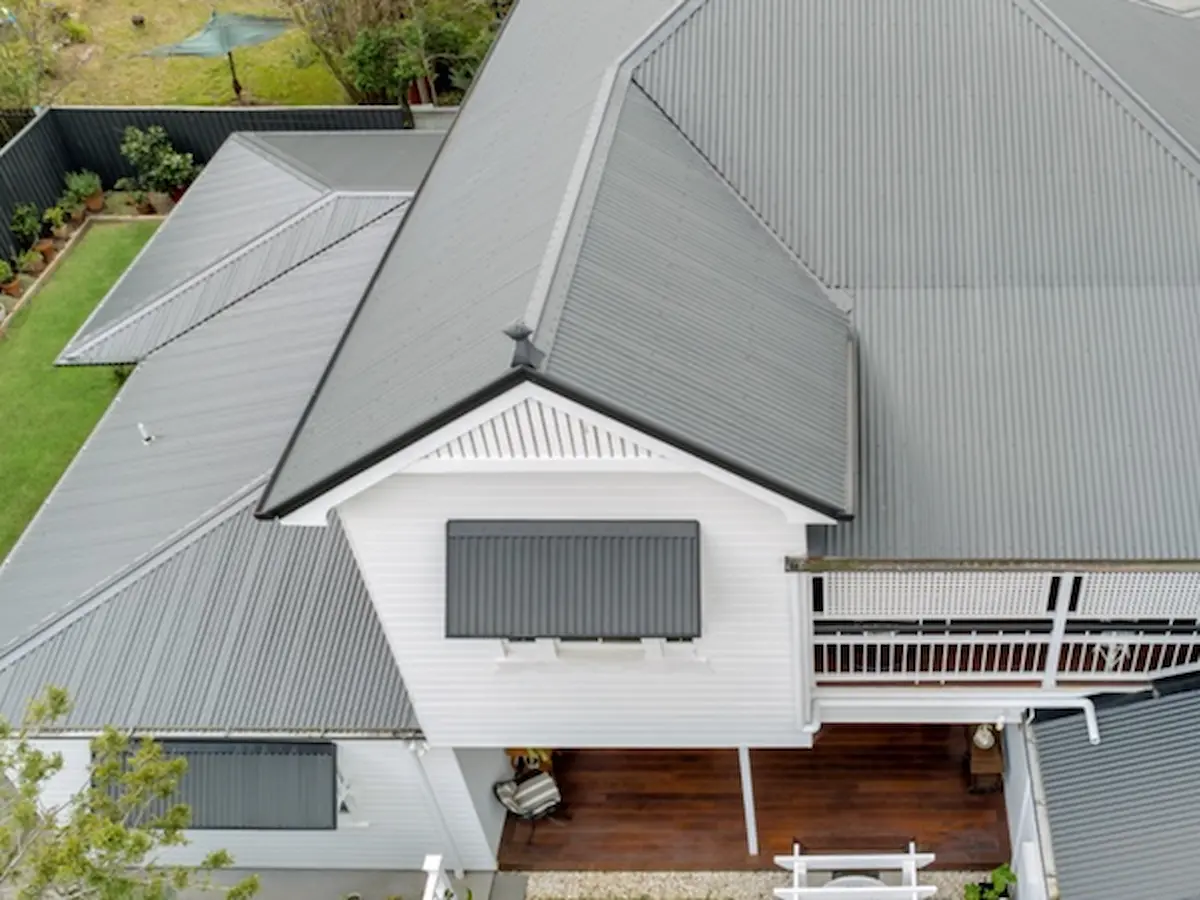
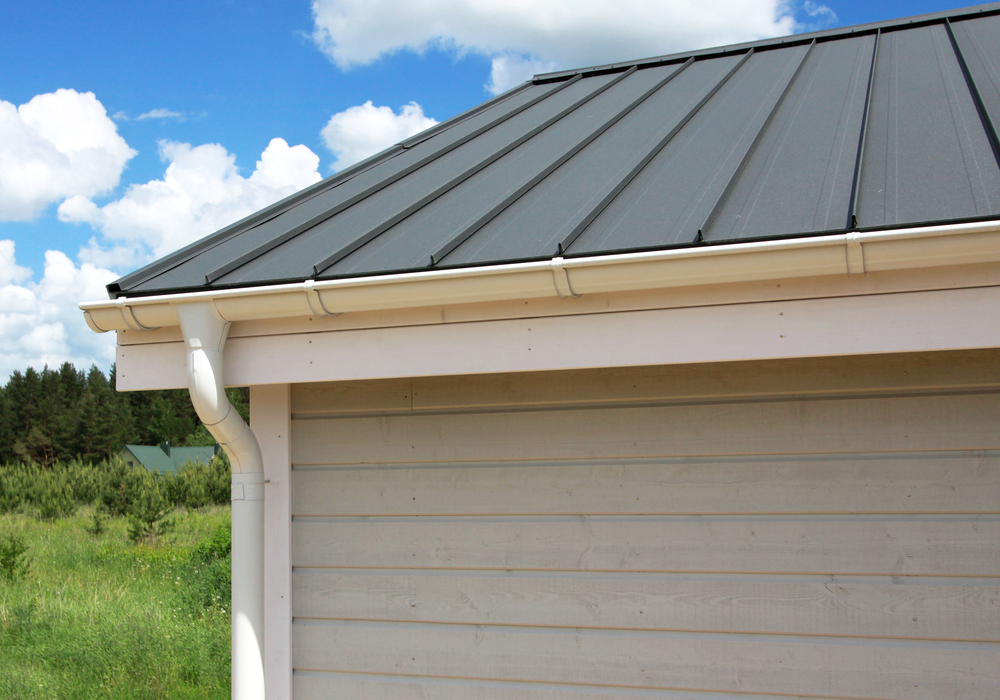
There’s a reason corrugated iron roofing has been a fixture on New Zealand homes and commercial buildings for generations. It sheds water fast, stands up to wind, and ages well when it’s installed correctly, which is where most problems begin or end.
At HDK Long Run Roofing, we specialise in corrugated iron roofing across Auckland, working with homeowners, builders, and commercial property owners who want the job done properly from the start. Whether you’re putting a roof on a new build or replacing one that’s seen better days, we handle the full scope, materials, installation, compliance, and finishing details like corrugated iron roof flashing that most people don’t think about until something leaks.
Our team of Licensed Building Practitioners has over 10 years of hands-on experience with long run metal roofing, so we know what works in this climate and what doesn’t. We work with trusted NZ suppliers including Colorsteel, Eurostyle, and Euroline, which means you get a material choice that’s built for here, not imported guesswork.
EXCELLENTTrustindex verifies that the original source of the review is Google. Absolute killer team! Contacted Jesse for a quote, he had organised a site assessment, drew up a quote and executed the job very quickly. I wouldn’t look anywhere else. These guys will help you all the way through! CheersPosted on GoogleTrustindex verifies that the original source of the review is Google. Garage side roof replacement. We reached out to several companies to inspect our roof and obtain quotes. It was challenging to get in touch with people since it was a mid-sized job and roofers are super busy. Jesse stood out as one of the best due to his prompt communication and very easy to deal with. Jesse and his team did an excellent job, delivering top-quality craftsmanship.Posted on GoogleTrustindex verifies that the original source of the review is Google. I had an outstanding experience with HDK Long Run Roofing. Their punctuality, clear communication, affordability, professionalism, speed, and friendliness were truly commendable. The end results exceeded our expectations, showcasing their dedication to quality work. I highly recommend their services.Posted on GoogleTrustindex verifies that the original source of the review is Google. Jesse and his team were great to deal with. They turned up on time, did the job expertly and efficiently, and invoiced as per the quote. Couldn’t have asked for anything more. Cheers HDK.Posted on GoogleTrustindex verifies that the original source of the review is Google. HDK replaced our entire roof and they did an absolute top job. Worked hard and committed to get it done in a timely manner and great guys to work with. Thanks all!Posted on GoogleTrustindex verifies that the original source of the review is Google. Full re-roof (iron) on my owner occupied 1920s home. Fantastic service from first contact right through to checking in following completion. The cheerful nature, quality of workmanship and professionalism made having Jesse’s team and their contracted scaffolders a pleasure to have on site. As a female home owner I’m always nervous about dealing with trades unless referred from friends and family, I could not recommend HDK highly enough and wish I’d engaged with them sooner. Love the sound of rain on the roof now I don’t have to worry about the leaks :)Posted on GoogleTrustindex verifies that the original source of the review is Google. What a cheerful respectful professional team. I have absolutely no hesitation in recommending this crew to others. Thanks Jesse and Trinity you made a potentially stressful job a breeze.Posted on GoogleTrustindex verifies that the original source of the review is Google. Replaced the roof with speed, efficiency, neatness and cheerful good humour. Jesse and his team are a pleasure to deal withPosted on GoogleTrustindex verifies that the original source of the review is Google. Amazing service and communication with this team. They really go above and beyond with their work and I would definitely recommend using them!
Speak with a roofer about your corrugated iron roofing project.
The honest answer is that it depends on three things: how far the rust has spread, whether the underlying structure is still sound, and how old the roof is overall.
Surface oxidation on a panel or two isn’t cause for alarm, that’s a repair job. But if you’re seeing multiple sheets lifting, flashing, pulling away at the ridges or valleys, or rust that’s eaten through the steel rather than just staining it, patching becomes a false economy. A roof over 30 years old with widespread deterioration will need re-roofing sooner rather than later, and the cost of repeated corrugated iron roof repairs on a roof that’s reached the end of its life adds up quickly compared to replacing it once and being done with it.
When we assess a roof, we look at the whole picture, not just the obvious damage. We’ll tell you what the condition of the battens and framing looks like underneath, because that changes the scope and the cost. You won’t get a sales push for a full replacement if repairs will genuinely hold up.
A well-installed corrugated iron roof using a quality coated steel product like Colorsteel will typically perform for 30 to 50 years. The range comes down to where the property is, how the roof is maintained, and whether issues like damaged flashing or loose fixings are caught and dealt with early.
Auckland’s coastal suburbs put more demand on roofing materials than inland areas, salt air accelerates surface breakdown on anything not rated for marine exposure. If your property is within a few kilometres of the coast, the specification choices we make at install time directly affect how long the roof lasts. We factor this in when selecting materials and profiles, rather than applying a one-size-fits-all approach.
Occasional checks every few years, particularly after severe weather, are usually all it takes to keep a corrugated iron roof performing well for its full expected life.
Steeper roof pitches aren’t more difficult to roof with corrugated iron, but they do require a different approach to get right. Sheet overlaps need to be tighter to account for the speed at which water runs off a steep face. Fastening patterns change to handle the increased load on each fixing point. And the valley and ridge flashing details need more careful execution because water moves faster and with more force in heavy rain.
Understanding how to install corrugated metal roofing on steep pitches correctly is something that comes from doing it regularly, not from reading the spec sheet. Our team adjusts the method to suit each roof’s angle and profile, so the finished result is watertight and compliant regardless of the pitch.
One of the most common causes of leaks on corrugated metal roofing isn’t the sheets themselves, it’s the fixings. The correct choice for most corrugated iron roofing applications in New Zealand is a self-drilling hex-head screw fitted with an EPDM washer, selected to match the sheet gauge and the local environment. Properties closer to the coast need fixings with a higher corrosion resistance rating because of salt air exposure.
Using the wrong screw, or an undertightened one, lets water track down the fastener thread and into the roof space over time. It also allows sheets to move slightly in high winds, which eventually widens the hole and accelerates the problem. We supply and specify the correct fixings for every job so this isn’t something you need to second-guess.
The process for how to install corrugated metal roofing on steeper pitches involves tighter overlap requirements between sheets, different fastening patterns, and careful handling of valley and ridge flashing to manage higher water velocities. We adjust the install method to suit the pitch and profile so the roof performs correctly at any angle.