
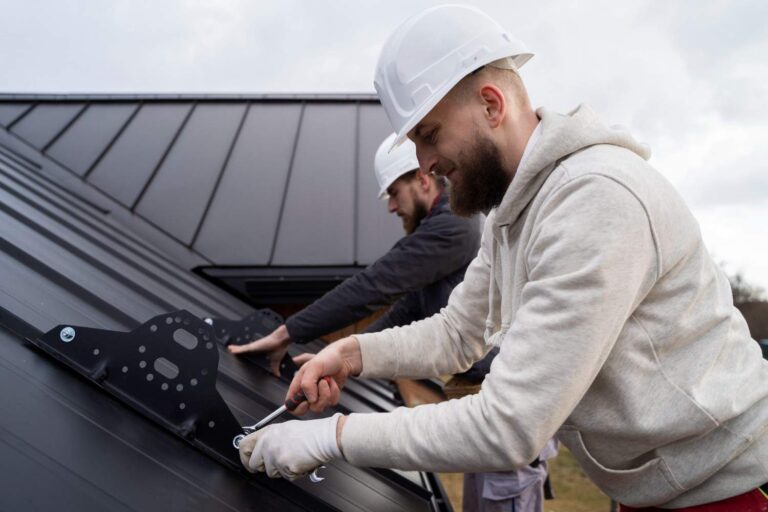
Most roofs do their work in silence, stretched across shops, warehouses, offices, and homes while weather passes over them day after day. In Auckland, that calm surface hides constant movement. Materials expand, fasteners shift, and water searches for a path. A commercial roof inspection is not about hunting for problems. It is about understanding what your building is already telling you and responding before small changes become expensive stories.
This guide is written for both residential and commercial property owners. It explains how inspections work in New Zealand, why Auckland’s climate shapes inspection timing, and how a clear inspection approach supports long run metal roofing over decades.
A commercial roof inspection is a structured review of a roof system carried out by trained professionals. It looks beyond visible damage. The aim is to assess condition, performance, and risk. In New Zealand, inspections align with building maintenance obligations and good practice under the Building Code, especially where durability and weather tightness are concerned.
Inspectors examine roof sheets, fixings, flashings, penetrations, drainage paths, and junctions. For long run metal roofs, attention focuses on expansion joints, fastener integrity, sealants, and coating condition. Thermal movement is normal. Problems arise when movement is restricted or moisture is allowed to linger.
Auckland’s environment is demanding. High rainfall, humidity, coastal air, and strong UV exposure combine to accelerate wear. Even well installed metal roofs respond to these forces over time.
A scheduled commercial roof inspection helps building owners understand how local conditions affect their roof. Salt carried inland can speed up corrosion. Leaves from surrounding trees may hold moisture in gutters. Heavy downpours test laps and flashings. None of these issues appear overnight. Inspections provide a snapshot that guides timely action.
While the term commercial roof inspection suggests large buildings, many principles apply equally to residential properties. Apartment blocks, mixed use developments, and home based businesses often use the same long run metal systems as warehouses or retail units.
Homeowners benefit from inspection routines borrowed from commercial practice. Clear records, scheduled reviews, and professional reporting bring confidence. For business owners, the same process reduces disruption and supports compliance with lease or insurance requirements.
A proper inspection follows a logical sequence. It is not rushed and it is not guesswork.
Surface condition is assessed first. Inspectors check for coating breakdown, scratches exposing bare metal, or early corrosion. Fixings are reviewed to ensure they remain secure and correctly seated. Over time, washers can harden and screws may loosen due to thermal movement.
Flashings and penetrations receive close attention. These areas handle the most movement and water flow. Gutters and downpipes are examined to confirm water exits the roof quickly. Pooling water shortens roof life.
Many teams use formal roof inspection services that include photographic records and written summaries. These reports help owners plan maintenance rather than react to leaks.
Consistency matters. A roof inspection checklist ensures nothing is missed and that each visit can be compared with the last. Checklists usually cover safety, surface condition, fixings, drainage, and internal signs of moisture.
Using a checklist also supports communication. Owners can see what was checked and why certain recommendations were made. Over time, the checklist becomes a history of the roof, showing patterns and predicting future needs.
For most Auckland buildings, a commercial roof inspection is recommended at least once a year. Buildings in coastal zones or exposed sites may benefit from six monthly reviews. Inspections after major weather events also make sense, even if no damage is obvious.
New roofs should be inspected within the first year of installation. This confirms the roof is settling as expected and allows early adjustments. Older roofs benefit from more frequent checks as materials approach the later stages of their service life.
Not all inspections are equal. Look for teams experienced with New Zealand conditions and long run metal roofing. They should understand how Auckland’s climate interacts with different roof profiles and fixings.
A good inspector explains findings in plain language. Recommendations are practical and prioritised. The goal is confidence, not confusion. A regular commercial roof inspection supported by clear roof inspection services and a detailed roof inspection checklist helps Auckland property owners protect their investment and plan maintenance with confidence.
If you manage a home, warehouse, or mixed use building, now is a smart time to review your roof’s condition. Speak with HDK Long Run Roofing to arrange an inspection that suits your building, your timeline, and Auckland’s demanding climate.
EXCELLENTTrustindex verifies that the original source of the review is Google. Absolute killer team! Contacted Jesse for a quote, he had organised a site assessment, drew up a quote and executed the job very quickly. I wouldn’t look anywhere else. These guys will help you all the way through! CheersPosted on GoogleTrustindex verifies that the original source of the review is Google. Garage side roof replacement. We reached out to several companies to inspect our roof and obtain quotes. It was challenging to get in touch with people since it was a mid-sized job and roofers are super busy. Jesse stood out as one of the best due to his prompt communication and very easy to deal with. Jesse and his team did an excellent job, delivering top-quality craftsmanship.Posted on GoogleTrustindex verifies that the original source of the review is Google. I had an outstanding experience with HDK Long Run Roofing. Their punctuality, clear communication, affordability, professionalism, speed, and friendliness were truly commendable. The end results exceeded our expectations, showcasing their dedication to quality work. I highly recommend their services.Posted on GoogleTrustindex verifies that the original source of the review is Google. Jesse and his team were great to deal with. They turned up on time, did the job expertly and efficiently, and invoiced as per the quote. Couldn’t have asked for anything more. Cheers HDK.Posted on GoogleTrustindex verifies that the original source of the review is Google. HDK replaced our entire roof and they did an absolute top job. Worked hard and committed to get it done in a timely manner and great guys to work with. Thanks all!Posted on GoogleTrustindex verifies that the original source of the review is Google. Full re-roof (iron) on my owner occupied 1920s home. Fantastic service from first contact right through to checking in following completion. The cheerful nature, quality of workmanship and professionalism made having Jesse’s team and their contracted scaffolders a pleasure to have on site. As a female home owner I’m always nervous about dealing with trades unless referred from friends and family, I could not recommend HDK highly enough and wish I’d engaged with them sooner. Love the sound of rain on the roof now I don’t have to worry about the leaks :)Posted on GoogleTrustindex verifies that the original source of the review is Google. What a cheerful respectful professional team. I have absolutely no hesitation in recommending this crew to others. Thanks Jesse and Trinity you made a potentially stressful job a breeze.Posted on GoogleTrustindex verifies that the original source of the review is Google. Replaced the roof with speed, efficiency, neatness and cheerful good humour. Jesse and his team are a pleasure to deal withPosted on GoogleTrustindex verifies that the original source of the review is Google. Amazing service and communication with this team. They really go above and beyond with their work and I would definitely recommend using them!
Most inspections take one to three hours, depending on roof size and access. Reports usually follow within a few days.
Generally no. Professional roof inspection services plan access carefully and minimise interruption.
Autumn and spring work well, but a commercial roof inspection can be done any time conditions are safe.
Yes. A proper roof inspection checklist always includes drainage components.
Yes. Regular commercial roof inspection identifies minor issues early, which supports longer service life.
Absolutely. Many residential owners use the same roof inspection services for peace of mind.