
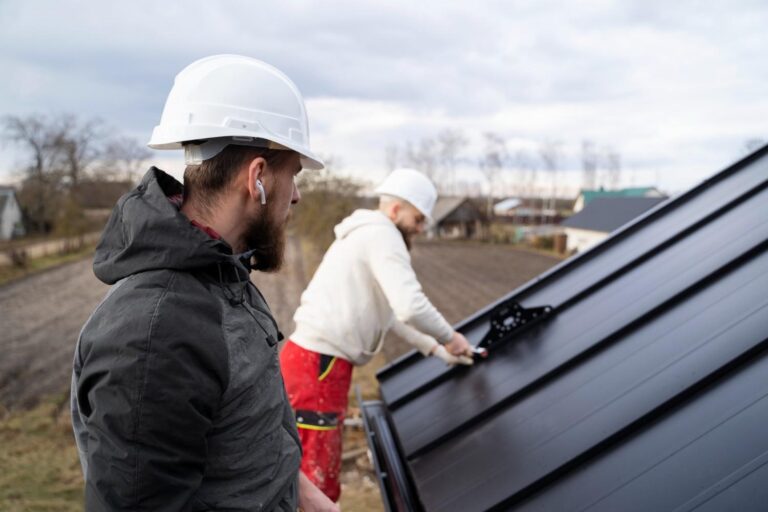
A roof rarely gets applause. It sits quietly above your head, taking in the wind, the rain, the long Auckland summers, and the odd sideways storm without asking for attention. Yet when buyers, tenants, valuers, and insurers look at a property, the roof speaks first. It hints at care, planning, and future costs. For homeowners and commercial property owners alike, the question surfaces sooner or later. How much does a new roof increase home value, and is it worth doing now rather than later?
In Auckland, where weather patterns test materials and property prices stay competitive, the answer matters. This guide breaks down the real relationship between roofing and property value, grounded in New Zealand building standards, market behaviour, and practical experience.
When people think about property upgrades, kitchens and bathrooms usually steal the spotlight. Roofing works differently. It does not shout. It reassures. A sound roof reduces risk, uncertainty, and future expense in the eyes of a buyer or tenant.
For valuers and real estate agents, a roof in poor condition triggers deductions. A roof in strong condition often supports a higher valuation and smoother negotiations. This is where a new roof becomes less about glamour and more about confidence.
In Auckland’s climate, roofs face salt air in coastal suburbs, high UV exposure, and heavy rainfall. Materials age faster when maintenance slips. A new roof signals that the building envelope is secure, compliant, and unlikely to surprise the next owner with sudden repair bills.
There is no single dollar figure that fits every property. However, New Zealand market data and valuation practices show clear trends.
A new roof does not usually add its full cost directly to the sale price. Instead, it protects value and often lifts it by a percentage of the home’s market price. In Auckland, many homeowners see returns ranging from 60 to 80 percent of the roofing spend reflected in valuation or sale outcomes.
For example, if the new roof cost for a typical residential home sits between $18,000 and $30,000 depending on size and material, the value uplift may land between $12,000 and $24,000. More importantly, the home often sells faster and with fewer conditions.
This is why a new roof’s impact on home value is not just about profit. It also strengthens market position, builds buyer confidence, and reduces friction during sale or lease negotiations.
Residential buyers are emotionally driven. They imagine living under the roof. A visibly tired roof raises doubts about leaks, insulation, and hidden damage. A new roof removes those doubts instantly.
Commercial buyers and tenants think in numbers. They calculate future maintenance, downtime, and compliance risk. A reroofed warehouse, office, or retail building often commands stronger lease terms and longer tenant commitments.
In both cases, the extent to which a new roof increases home value is closely linked to reduced perceived risk. The roof becomes a silent negotiator working in the owner’s favour.
Not all roofs deliver the same value outcome. In Auckland, long run metal roofing has become a popular option for both residential and commercial buildings.
Metal roofing offers durability, clean lines, and strong performance in high wind zones. It also aligns with modern architectural styles and energy efficiency goals when paired with proper insulation.
From a valuation perspective, durable materials support stronger long term value. Buyers understand longevity. A roof expected to last decades reduces future capital expenditure, which directly influences what someone is willing to pay today.
When assessing how much a new roof increases home value, the choice of material matters just as much as the fact that the roof is new.
It is impossible to separate value from cost. Buyers often overestimate repair expenses. A roof that needs replacement may feel like a financial unknown, even if the real new roof cost is manageable.
By installing a new roof, owners remove guesswork. The buyer no longer mentally subtracts repair figures from their offer. Instead, they focus on the property’s strengths.
In Auckland’s competitive market, this psychological shift can be decisive. Homes with new roofing often attract stronger initial offers and fewer attempts to negotiate down.
This is why a new roof can add more value than expected when timing and presentation are right.
Installing a new roof too early may not deliver visible returns. Leaving it too late can undermine value. The ideal window is when the existing roof shows clear signs of age but before deterioration becomes a visible concern.
Estate agents often note that properties listed with ageing roofs raise immediate issues during building inspections. These findings can delay transactions or lead to reduced offers.
By contrast, installing a new roof shortly before sale positions the property as move-in ready. This is when new roofing projects tend to deliver the strongest uplift in perceived value.
Not every situation requires an immediate roof replacement. If the existing roof remains structurally sound with years of service left, selective repairs may be a practical alternative.
However, when preparing for a sale, lease, or long-term ownership, a new roof often becomes a strategic decision rather than a reactive one. Understanding how much a new roof increases home value allows owners to plan timing around objectives rather than urgency.
Professional assessment plays a critical role. Experienced roofing teams can assess remaining lifespan and advise whether a full replacement or targeted repairs will deliver better overall value.
If you are weighing how much a new roof increases home value, the answer in Auckland is clear. Roofing is not simply maintenance. It is positioning. The right upgrade protects equity, supports stronger valuations, and reshapes how buyers and tenants perceive your property.
Whether you are comparing new roof costs, reviewing replacement options, or planning new roofing projects, informed decisions make a measurable difference.
Speaking with HDK Long Run Roofing can help you understand how professional roofing aligned with New Zealand standards strengthens property value both now and into the future.
EXCELLENTTrustindex verifies that the original source of the review is Google. Absolute killer team! Contacted Jesse for a quote, he had organised a site assessment, drew up a quote and executed the job very quickly. I wouldn’t look anywhere else. These guys will help you all the way through! CheersPosted on GoogleTrustindex verifies that the original source of the review is Google. Garage side roof replacement. We reached out to several companies to inspect our roof and obtain quotes. It was challenging to get in touch with people since it was a mid-sized job and roofers are super busy. Jesse stood out as one of the best due to his prompt communication and very easy to deal with. Jesse and his team did an excellent job, delivering top-quality craftsmanship.Posted on GoogleTrustindex verifies that the original source of the review is Google. I had an outstanding experience with HDK Long Run Roofing. Their punctuality, clear communication, affordability, professionalism, speed, and friendliness were truly commendable. The end results exceeded our expectations, showcasing their dedication to quality work. I highly recommend their services.Posted on GoogleTrustindex verifies that the original source of the review is Google. Jesse and his team were great to deal with. They turned up on time, did the job expertly and efficiently, and invoiced as per the quote. Couldn’t have asked for anything more. Cheers HDK.Posted on GoogleTrustindex verifies that the original source of the review is Google. HDK replaced our entire roof and they did an absolute top job. Worked hard and committed to get it done in a timely manner and great guys to work with. Thanks all!Posted on GoogleTrustindex verifies that the original source of the review is Google. Full re-roof (iron) on my owner occupied 1920s home. Fantastic service from first contact right through to checking in following completion. The cheerful nature, quality of workmanship and professionalism made having Jesse’s team and their contracted scaffolders a pleasure to have on site. As a female home owner I’m always nervous about dealing with trades unless referred from friends and family, I could not recommend HDK highly enough and wish I’d engaged with them sooner. Love the sound of rain on the roof now I don’t have to worry about the leaks :)Posted on GoogleTrustindex verifies that the original source of the review is Google. What a cheerful respectful professional team. I have absolutely no hesitation in recommending this crew to others. Thanks Jesse and Trinity you made a potentially stressful job a breeze.Posted on GoogleTrustindex verifies that the original source of the review is Google. Replaced the roof with speed, efficiency, neatness and cheerful good humour. Jesse and his team are a pleasure to deal withPosted on GoogleTrustindex verifies that the original source of the review is Google. Amazing service and communication with this team. They really go above and beyond with their work and I would definitely recommend using them!
Most properties see a value uplift of 60 to 80 percent of the roofing investment, plus improved buyer confidence.
The cost of a new roof in NZ typically ranges from $18,000 to $30,000, depending on the size of the roof, site access, pitch, and the materials used.
Yes, a new roof can improve commercial property value because it reduces maintenance risk, strengthens lease appeal, and supports stronger long-term valuations.
The cost of a new roof in NZ for metal roofing usually sits in the mid to upper price range, as long run metal systems offer greater durability, weather resistance, and a longer service life.
Yes, new roof solutions remain worthwhile even if you are not selling, since they protect long-term value, improve indoor comfort, and reduce the likelihood of unexpected repair costs.
Yes, demand for new roofing in Auckland continues to increase because ongoing weather exposure and an ageing housing stock are driving higher reroofing activity across the region.