
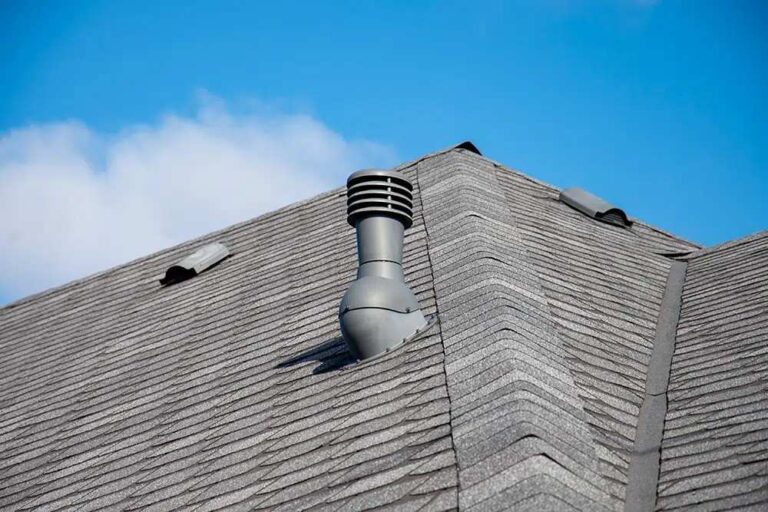
A building can look finished and still feel unsettled. Rooms warm unevenly. Air feels heavy when it should feel fresh. Moisture lingers longer than expected. In Auckland, these small discomforts often trace back to a place no one sees and few people think about.
This is where roof ventilation does its most important work. Not loudly. Not visibly. It works by allowing a building to breathe, releasing trapped heat and moisture before they settle into insulation, framing, or indoor air. When it is done properly, everything above and below the ceiling line behaves better.
This blog explores roof ventilation as it actually functions in Auckland buildings, not as a technical add-on, but as a quiet influence on comfort, durability, and long run metal roofing performance.
Most people interact with their roof only when it leaks or needs replacing. The space beneath it stays out of sight, yet it reacts constantly to temperature, humidity, and airflow.
Without enough movement, warm air rises and stalls. Moisture from daily living, cooking, showers, or commercial activity drifts upward and has nowhere to escape. Over time, this imbalance affects how the entire building performs.
Roof ventilation provides that missing balance within the roof space. It creates a controlled path for air to enter and exit the roof space, helping conditions stabilise naturally rather than relying on internal cooling alone.
Long run metal roofing is widely used across Auckland for good reason. It handles coastal exposure well and offers long-term durability. It also responds quickly to temperature changes.
This responsiveness is where metal roof ventilation becomes essential. Warm days followed by cooler evenings can create condensation beneath metal roofing if air cannot circulate. Without airflow, moisture has time to settle where it should not.
Proper roof ventilation works alongside metal roofing by allowing temperature and moisture differences to even out. This supports insulation performance and reduces stress on roof components over time.
Metal roofs are durable and well suited to coastal environments, but they perform best when paired with thoughtful airflow design. Metal roof ventilation usually involves a balance of intake and exhaust points. This creates steady air movement without relying on mechanical systems.
When installed correctly, roof ventilation reduces heat load in summer and supports drier roof spaces in cooler months. It also helps insulation work as intended rather than being compromised by trapped moisture.
Insulation and roof ventilation rely on each other more than many people realise. Insulation slows heat transfer, but it cannot work properly if moisture builds up around it. Damp insulation loses effectiveness and takes longer to dry, especially in Auckland’s humid conditions.
When airflow is balanced, insulation stays drier and performs closer to its intended rating. This is one of the quieter benefits of roof ventilation systems. They protect insulation from long-term exposure to trapped moisture, helping homes and commercial buildings maintain consistent internal conditions without pushing heating or cooling systems harder than necessary.
In metal-roofed buildings, this relationship is even more important. Metal roof ventilation supports insulation by reducing condensation risk at the roof line, where temperature differences are often greatest.
Auckland does not have extreme seasons, but it does have constant variation. Warm days can be followed by cool evenings. Rain can arrive after long dry spells. These shifts affect how air moves through a building.
Consistent roof ventilation helps smooth out these changes. In warmer months, it limits heat build-up beneath the roof. In cooler periods, it allows moisture to escape before it settles. This steady movement is more effective than systems that rely on occasional airflow or partial openings.
Buildings without proper ventilation for roof systems often feel fine during mild weather and struggle when conditions change. Ventilation works best when it operates quietly all year, not only during peak seasons.
Residential buildings often experience ventilation issues through comfort. Bedrooms that stay warm. Living areas that feel damp during winter. In these settings, ventilation for roof systems improves day-to-day living without being noticed directly.
Commercial buildings experience the same issue at a different scale. Larger roof areas trap more heat. Internal activity produces more moisture. Without sufficient airflow, indoor environments become harder to manage.
In both cases, roof ventilation improves balance. The difference lies in scale, not purpose.
One of the most effective times to address roof ventilation is during re-roofing. At this stage, access is clear, roof profiles are visible, and airflow paths can be planned properly.
Adding ventilation later is possible, but it often involves compromise. When planned early, ventilation for roof systems integrate cleanly with long run metal roofing, flashings, and insulation layouts.
This approach avoids piecemeal fixes and delivers quieter, longer-lasting results.
Over time, good roof ventilation protects more than just the roof. It supports stable indoor temperatures. It reduces moisture stress on materials. It helps insulation perform as intended rather than fighting trapped air.
For Auckland properties, this steady performance matters. Buildings age more gracefully. Maintenance becomes more predictable. Occupants notice comfort without knowing why.
That is the quiet value of roof ventilation when it is done properly.
Balanced airflow is rarely noticed, but its absence always is. Thoughtful roof ventilation, supported by the right ventilation for roof design and proven metal roof ventilation practices, helps Auckland buildings perform calmly through changing seasons.
If you are reviewing roof ventilation options during a roof upgrade, speak with the team at HDK Long Run Roofing. Our experience ensures that roof ventilation becomes a practical solution, not an afterthought.
EXCELLENTTrustindex verifies that the original source of the review is Google. Absolute killer team! Contacted Jesse for a quote, he had organised a site assessment, drew up a quote and executed the job very quickly. I wouldn’t look anywhere else. These guys will help you all the way through! CheersPosted on GoogleTrustindex verifies that the original source of the review is Google. Garage side roof replacement. We reached out to several companies to inspect our roof and obtain quotes. It was challenging to get in touch with people since it was a mid-sized job and roofers are super busy. Jesse stood out as one of the best due to his prompt communication and very easy to deal with. Jesse and his team did an excellent job, delivering top-quality craftsmanship.Posted on GoogleTrustindex verifies that the original source of the review is Google. I had an outstanding experience with HDK Long Run Roofing. Their punctuality, clear communication, affordability, professionalism, speed, and friendliness were truly commendable. The end results exceeded our expectations, showcasing their dedication to quality work. I highly recommend their services.Posted on GoogleTrustindex verifies that the original source of the review is Google. Jesse and his team were great to deal with. They turned up on time, did the job expertly and efficiently, and invoiced as per the quote. Couldn’t have asked for anything more. Cheers HDK.Posted on GoogleTrustindex verifies that the original source of the review is Google. HDK replaced our entire roof and they did an absolute top job. Worked hard and committed to get it done in a timely manner and great guys to work with. Thanks all!Posted on GoogleTrustindex verifies that the original source of the review is Google. Full re-roof (iron) on my owner occupied 1920s home. Fantastic service from first contact right through to checking in following completion. The cheerful nature, quality of workmanship and professionalism made having Jesse’s team and their contracted scaffolders a pleasure to have on site. As a female home owner I’m always nervous about dealing with trades unless referred from friends and family, I could not recommend HDK highly enough and wish I’d engaged with them sooner. Love the sound of rain on the roof now I don’t have to worry about the leaks :)Posted on GoogleTrustindex verifies that the original source of the review is Google. What a cheerful respectful professional team. I have absolutely no hesitation in recommending this crew to others. Thanks Jesse and Trinity you made a potentially stressful job a breeze.Posted on GoogleTrustindex verifies that the original source of the review is Google. Replaced the roof with speed, efficiency, neatness and cheerful good humour. Jesse and his team are a pleasure to deal withPosted on GoogleTrustindex verifies that the original source of the review is Google. Amazing service and communication with this team. They really go above and beyond with their work and I would definitely recommend using them!
Sizing depends on roof area and pitch. Professional roof gutter installation calculates capacity rather than guessing.
Most residential gutter installation projects take one to two days, depending on access and complexity.
Sometimes, rain gutter installation often performs better with new systems matched to the roof.
Annual checks suit most properties. Coastal sites may need more frequent inspection.
Yes. Commercial roof gutter installation usually requires larger profiles and more outlets.
Correct how to install gutters knowledge prevents costly water damage and extends roof life.