
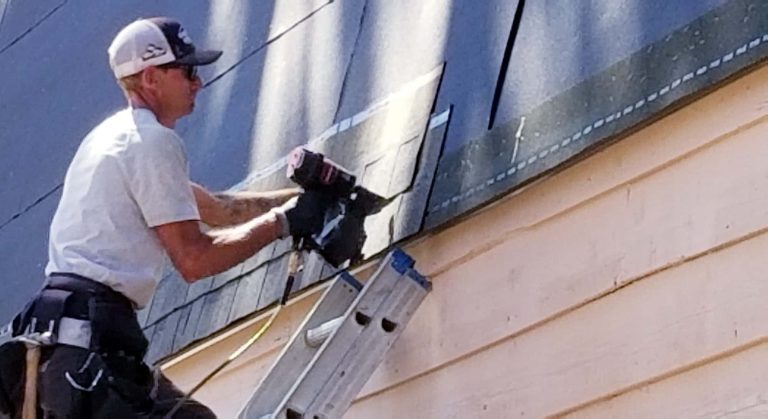
Auckland’s weather has a habit of testing the strength of every roof. One day brings calm sunshine across long run metal roofs, and the next delivers a burst of heavy rain or a blast of coastal wind that exposes even the smallest weaknesses. Among all the components keeping a roof watertight, flashing quietly does some of the most important work. It doesn’t stand out at first glance, but its role is essential. Anyone reading a Roof Flashing Guide or looking into roof flashing work across NZ, they quickly realise that flashing is one of the reasons a home stays dry no matter what the weather decides to do.
Flashing protects the most vulnerable parts of any roof by guiding water away from joins, edges and penetrations. Auckland’s weather patterns make this especially important. The frequent rain, fluctuating temperatures and coastal air place continuous pressure on roofing systems. When homeowners start learning about roof flashing systems used across NZ, they often discover how quickly damage can spread if flashing is loose, rusting or installed incorrectly.
On long run metal roofing, water moves rapidly down the sheet. If flashing isn’t fitted properly at the connection points, water can slip underneath and travel into the building structure. Once inside, moisture can cause damage that isn’t always immediately visible. That’s why understanding roof flashing is essential for both homes and commercial buildings.
Flashing is a shaped metal barrier that protects specific areas where water would otherwise enter. It sits at transition points — where the roof meets a wall, around chimneys, beneath ridges and beside valleys. Its job is simple: keep water moving in the right direction.
When people explore ways to put flashing on a roof, they often imagine it as a single strip. In reality, flashing comes in different profiles depending on the location and the type of roof. Without the right type installed correctly, even a strong metal roofing system can fail during heavy weather.
Flashing doesn’t come in one universal shape. Auckland homes and commercial buildings use various profiles depending on the design of the roof. These include:
Used at the point where a roof meets a vertical wall. It seals off the gap and prevents water from being pushed inside.
Placed along the highest point of the roof, this flashing protects the ridgeline where two roof slopes meet.
Sits where two roof surfaces form a channel. It moves large volumes of water efficiently into the gutter system.
Used to redirect water away from areas that need additional protection, like entryways or lower-level roofs.
Installed around pipes, vents, skylights and chimneys to form a waterproof seal.
These different profiles make roof flashings across Auckland strong enough to handle the region’s weather conditions.
Long run metal sheets are designed to move water off the roof quickly, but only if the edges and joins are protected. Flashing ensures that wind-driven rain or overflow doesn’t slide underneath the sheet. This keeps the building frame dry, reduces the risk of corrosion and supports the overall performance of the roofing system.
Metal roofs expand and contract slightly with temperature changes. Flashing must be installed in a way that accommodates this movement without losing its seal. This is one reason why installing flashing requires professional skill and why homeowners often ask for expert guidance when learning more about methods used to put flashing on a roof.
Over time, flashing can deteriorate. The signs are often subtle at first:
These issues tend to worsen quickly if ignored. Because flashing covers vulnerable areas, even a small gap can lead to significant water intrusion. Repairs often involve resealing, refixing or replacing flashing sections to restore full protection.
Flashing issues typically come down to one of three causes:
Coastal winds, heavy rainfall and UV exposure slowly wear down flashing over time. This is especially true for homes near the water.
Improper angles, gaps or fastenings lead to early failures. Incorrect overlaps or poor sealing make the issue worse.
Older flashing may not meet current standards or may wear faster than the surrounding roofing material.
These issues support the importance of choosing professionals familiar with roof flashing techniques in NZ, especially for long run metal roofs.
The installation process varies depending on the roof and flashing type, but it generally includes:
The team inspects the roof to identify all vulnerable points. Measurements must be precise for flashing to sit properly.
Damaged sections are taken out carefully to avoid harming the long run sheet underneath.
Flashings need to be shaped to match the profile of the existing roof, especially with metal roofing.
Correct placement, secure fastening and proper sealing ensure flashing performs as intended.
This process explains why homeowners often ask for professional advice rather than attempting complex flashing installs on their roof themselves.
Why Professional Installation Matters in Auckland
Auckland’s climate leaves little room for error. Flashing installed incorrectly can trap water instead of guiding it away. Professional roofing teams understand how long run metal roofs behave, how water flows across them and how flashing should be shaped to meet NZ standards. Quality installation reduces long-term repair costs and protects the home during severe weather. This is especially important on commercial properties, where larger roof areas and more penetrations increase the complexity of the flashing layout.
Property owners can help protect their flashing systems through basic maintenance:
These actions support the performance of roof flashing systems across NZ, especially in high rainfall months.
If your Auckland home or commercial building needs reliable flashing repairs, upgrades or inspections, the team at HDK Long Run Roofing can help you protect your property with solutions built for New Zealand’s climate. Our specialists understand how flashing works with long run metal roofing and how to maintain watertight performance throughout the year. Whether you need maintenance, replacement or a full assessment, we provide clear guidance and durable workmanship grounded in industry standards.
Reach out to HDK Long Run Roofing to to secure your roof with confidence.
EXCELLENTTrustindex verifies that the original source of the review is Google. Absolute killer team! Contacted Jesse for a quote, he had organised a site assessment, drew up a quote and executed the job very quickly. I wouldn’t look anywhere else. These guys will help you all the way through! CheersPosted on GoogleTrustindex verifies that the original source of the review is Google. Garage side roof replacement. We reached out to several companies to inspect our roof and obtain quotes. It was challenging to get in touch with people since it was a mid-sized job and roofers are super busy. Jesse stood out as one of the best due to his prompt communication and very easy to deal with. Jesse and his team did an excellent job, delivering top-quality craftsmanship.Posted on GoogleTrustindex verifies that the original source of the review is Google. I had an outstanding experience with HDK Long Run Roofing. Their punctuality, clear communication, affordability, professionalism, speed, and friendliness were truly commendable. The end results exceeded our expectations, showcasing their dedication to quality work. I highly recommend their services.Posted on GoogleTrustindex verifies that the original source of the review is Google. Jesse and his team were great to deal with. They turned up on time, did the job expertly and efficiently, and invoiced as per the quote. Couldn’t have asked for anything more. Cheers HDK.Posted on GoogleTrustindex verifies that the original source of the review is Google. HDK replaced our entire roof and they did an absolute top job. Worked hard and committed to get it done in a timely manner and great guys to work with. Thanks all!Posted on GoogleTrustindex verifies that the original source of the review is Google. Full re-roof (iron) on my owner occupied 1920s home. Fantastic service from first contact right through to checking in following completion. The cheerful nature, quality of workmanship and professionalism made having Jesse’s team and their contracted scaffolders a pleasure to have on site. As a female home owner I’m always nervous about dealing with trades unless referred from friends and family, I could not recommend HDK highly enough and wish I’d engaged with them sooner. Love the sound of rain on the roof now I don’t have to worry about the leaks :)Posted on GoogleTrustindex verifies that the original source of the review is Google. What a cheerful respectful professional team. I have absolutely no hesitation in recommending this crew to others. Thanks Jesse and Trinity you made a potentially stressful job a breeze.Posted on GoogleTrustindex verifies that the original source of the review is Google. Replaced the roof with speed, efficiency, neatness and cheerful good humour. Jesse and his team are a pleasure to deal withPosted on GoogleTrustindex verifies that the original source of the review is Google. Amazing service and communication with this team. They really go above and beyond with their work and I would definitely recommend using them!
Roof flashing is used to seal vulnerable roof junctions so water cannot enter the structure. It strengthens protection during Auckland’s changing weather and keeps moisture away from the building.
Learning how to put flashing on a roof involves understanding the correct shaping, sealing and placement. A licensed installer ensures it is fitted securely so water flows away from joints and penetrations.
Roof flashings protect against leaks by covering ridges, valleys, chimneys and wall junctions. They help manage heavy rain and coastal winds across the region.
Flashing benefits from regular inspections because coastal air, debris and heat changes can wear down sealants. Simple maintenance prevents leaks and helps extend the roof’s lifespan.
It can. When flashing lifts or corrodes, water can travel under metal sheets and reach ceilings or wall cavities, causing mould, stains and structural concerns.
Yes. Long run metal roofing requires flashing designed to match its profile so joints remain sealed and water is correctly channelled away from the structure.